Food and wine pairing is the practice of matching a dish and a bottle so neither side flattens the other. The method is based on four measures: weight, acidity, tannin and residual sugar. Read them and most foods and wines fall into place, including the combinations that break the traditional rules.
Match weight with weight, then check acidity
- Every successful pairing starts with weight: the body of the wine has to answer the weight of the food.
- Acidity cuts fat, tannin binds to protein, and a dessert wine must taste sweeter than the plate beside it.
- Cheese is the combination most guides still get wrong, since a crisp white pairs with a cheese board more reliably than a tannic red.
- The best pairing tips are regional: local dishes and local bottles grew up together and were tested for generations.
Weight comes before flavour, always
The single most useful rule in any food and wine pairing guide is also the least glamorous: match the weight of the food to the body of the wine. A delicate poached sole asks for a light bodied white; a slow roasted leg of lamb asks for something structured and tannic. No other pairing trick rescues a combination where one side simply outweighs the other.
Weight is easy to read once you know what you are looking for. On the plate it comes from fat, from cooking method and from sauce: steamed white fish is light, the same fish in a cream sauce is not. In the glass it comes from alcohol content, from extract and from oak. A wine at eleven degrees rarely feels heavy; one at fifteen almost always does, whatever its colour.
Beginners often start from the ingredient and stop there. Fish means white, meat means red, and the exceptions pile up until the whole idea looks unreliable. Start from the sauce and the cooking instead. Grilled tuna with olive oil and herbs is closer in weight to a light red than to a crisp white, which is why a chilled Loire bottle works so well with it. The flavor of the dish tells you the direction of the pairing; the weight of the food tells you its size, and our overview of white wines from grape to glass is arranged along exactly that scale.
The science behind food and wine pairing
Behind the folklore of food and wine pairing there are a handful of interactions that food scientists and wine experts broadly agree on. They explain the classic pairings and the failed combinations alike, and understanding the mechanism is worth far more than a list of pairings learned by heart.
Acidity against fat and salt
Acidity is the great cleaner. It cuts through butter, cream and fried batter, resetting the taste buds between mouthfuls so the tenth bite is as interesting as the first. This complementary pairing is why a crisp Chablis suits buttery scallops, why Champagne handles fried food better than almost any other combination, and why a squeeze of lemon on the plate rarely fights the wine. Salt works in the same direction: it softens the perception of acidity and makes a sharp white taste rounder than it did on its own.
Tannin against protein
Tannin is the drying, grippy sensation in a young red wine. It binds to protein and fat, which is why red meat and hard aged cheese soften a tannic wine so effectively, and why the same bottle tastes harsh and metallic next to a plate of oysters. Cabernet Sauvignon paired with a rib of beef is not tradition for its own sake; it is chemistry that a few centuries of pairing turned into a habit.
Sweetness, heat and the sweet and sour trap
Sugar in the dish makes a dry wine taste thin and sour, so a dessert always needs a wine sweeter than itself. Chilli heat is amplified by alcohol and by tannin, which is why a high alcohol red with a fiery curry burns twice; a low alcohol white with a little residual sugar is the safer route. Sweet and sour dishes, common across Asian cooking, remain the hardest combination for a dry bottle for the same reason, and an off dry Riesling or a Pinot Grigio with a touch of sugar handles the pairing far better.
Key characteristics of the main wine styles
Grape varieties matter, but style matters more when you build a pairing. Two bottles of the same grape from different wine regions behave in opposite ways at the table, while a Sancerre and a dry Riesling from two ends of Europe fill the same role in a meal. The key characteristics to read on a label are body, acidity, tannin and sweetness, and every combination below is based on those four.
| Style | What defines it | Best matches |
|---|---|---|
| Crisp white | High acidity, no oak, light bodied | Oysters, goat cheese, raw fish, salads |
| Rich white | Oak, texture, moderate acidity | Lobster, poultry in sauce, veal |
| Light red | Low tannin, bright fruit, often served cool | Charcuterie, grilled tuna, mushrooms |
| Full bodied red | Firm tannin, higher alcohol content | Red meat, game, hard aged cheese |
| Sparkling wine | Acidity plus bubbles, usually dry | Fried food, smoked salmon, roast chicken |
| Sweet wine | High residual sugar, balancing acidity | Blue cheese, foie gras, fruit desserts |
Reading a style rather than a grape also protects you from the marketing on the front label. A wine region is a useful shortcut, not a guarantee: warm vintages and modern wine production have pushed many traditionally light appellations into heavier territory, and the reverse is happening in places that were once reliably rich. A pairing that worked with a given estate ten years ago deserves to be tasted again.
White wines and the dishes they lift
White wine is the most flexible thing on a wine list, and the most underused at the table. Its acidity suits fish, shellfish, poultry, vegetable dishes and, crucially, cheese. A Muscadet with oysters, a Chablis with scallops, a Sauvignon Blanc with goat cheese, a Meursault with lobster: these are complementary pairing at its simplest, acidity against fat and salt.
The distinction that matters within white wines is oak. An unoaked wine stays out of the way and refreshes; an oaked one brings texture and a toasted note that needs a dish with equal presence. Pouring a heavily oaked bottle with a plate of raw fish is the white equivalent of serving a tannic red with oysters, and the label rarely warns you which of the two you are holding.
Temperature is the other lever, and the one most often ignored. Served too cold, a good white loses its aromatics and tastes of nothing; served too warm, it turns flabby. Take it out of the fridge ten minutes before the meal and the same bottle becomes a different wine.
Red wines, tannin and the meat question
Red wines suit red meat, game, aged cheeses and slow cooked stews. A Pauillac with rack of lamb, a Gevrey Chambertin with venison, a Côte Rôtie with duck: the tannins soften against protein and fat, and the wine tastes rounder than it did on its own. That softening is the whole point, and it is why bodied wines feel austere when they are opened without food.
Within red wine there is as much variation as between colours. A Pinot Noir from a cool site is a light red with bright acidity that belongs next to roast chicken or mushrooms rather than beef. A southern France blend built on Grenache and Syrah, ripe and warming, will bury the same chicken without noticing. Choosing between them is a question of weight again, not of prestige. Our guide to red wines by style, grape and region is organised around exactly that distinction.
One practical tip: a young tannic bottle needs either a fatty dish or an hour of air. Both work by the same mechanism, softening the grip, and one of them is free.
Rosé wine, the bridge nobody plans for
Rosé is the style that solves a table where everyone ordered something different. It has the acidity of a white and a trace of the fruit of a red, which lets it cover charcuterie, grilled fish, summer salads, light pasta and most of what comes off a barbecue. In the south of France it is not a seasonal novelty but the everyday table wine, served with dishes built on olive oil, garlic and tomato.
Style varies more than the colour suggests, from pale and mineral to firm and almost savoury. Our regional tour of rosé wines from Provence to the Loire goes through those differences bottle by bottle.
Cheese, dessert and the traditional order revisited
Cheese and wine is where the traditional rules break down most visibly. The old French sequence, white before red and cheese before pudding, has been quietly revised by anyone who has tried a strong blue next to a tannic bottle: the salt and the fat strip the tannins bare and both sides lose. White wine, with its acidity, handles far more of the cheese board than its reputation suggests. Sauternes with Roquefort is the famous demonstration, and a Vouvray demi sec with goat cheese follows the same logic.
For desserts, the rule is absolute rather than negotiable: the wine must be sweeter than the plate. A dry sparkling wine with a slice of tart tastes like vinegar, while the same tart with a late harvest bottle tastes of fruit. Dark chocolate is the hardest case of all, bitter and fatty at once, and it asks for either a fortified red or nothing at all.
Champagne deserves a word on its own. It is treated as an aperitif and left there, when it is one of the most capable food wines there is: a blanc de blancs with smoked salmon, a vintage brut with roast chicken, and almost any dry sparkling wine with anything fried.
Regional pairings, from Provence to Châteauneuf-du-Pape
The oldest pairing guide of all is geography. Across France, a dish and a bottle from the same place have been eaten together for generations, and the combination has already been tested by everyone who lives there. A Provence bottle with grilled sardines and olive oil, a Sancerre with a river catch, a southern France blend with a slow lamb stew: these are not inventions, they are local habits that turned out to be correct.
That is also why wine tourism works as a form of culinary education. Visiting an estate, walking a vineyard and eating what the domaine owner eats teaches the logic faster than any list of pairings. A Châteauneuf-du-Pape tasted at the property and paired with the garlic and herb cooking of the Rhône makes the point at once: the richness of the bottle and the richness of the dish meet at the same level, and the subtle herbal notes on each side line up rather than compete.
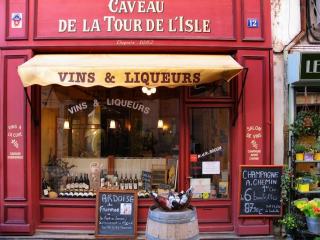
The star producers of a region are not always the best guide to its cooking. A modest domaine bottling fresh, unoaked wine for local restaurants often says more about what the region eats than a famous estate selling to collectors. Ask a gourmet shop in the nearest town what it stocks beside the local charcuterie, and you have a regional pairing without opening a book.
Unusual food and wine pairings worth trying
Once the mechanism is clear, the interesting pairings are the ones that use it against expectation. Sweet bottles with salty food make up the most reliable family of unusual combinations: foie gras with a late harvest white, blue cheese with a botrytised bottle, salted caramel with a fortified wine. The sugar and the salt amplify each other rather than competing, and our selection of French dessert wines sorted by sweetness is arranged so you can match the level rather than guess it.
Others are worth an experiment. Manzanilla or dry sherry with fried seafood behaves like a saltier, more savoury version of Champagne. A light red served cool with grilled vegetables reads as fresh rather than heavy. A vintage Champagne with parmesan works because both sides carry the same nutty, aged note. None of these combinations needs formal culinary education, only a willingness to open two bottles and compare the pairing side by side.
Food and wine pairing tips for a dinner at home
Most of what improves a dining experience at home is logistics rather than expertise. A few tips that cost nothing:
- Choose the wine after the menu is fixed, not before. The dish is the constraint.
- When the table is eating several different things, pick one flexible bottle, usually a dry rosé or a crisp white, rather than the perfect wine for one plate.
- If a regional dish is on the menu, try a bottle from the same wine region first. Centuries of local eating have already done the testing.
- Serve reds cooler and whites warmer than instinct suggests. Fridge cold and room warm are both wrong.
- Open a second style and taste them side by side. Ten minutes of comparison teaches more than any amount of reading.
Approaching a bottle with the same attention you would give a wine tasting, looking, smelling, then tasting with and without the food, turns a routine dinner into something closer to an experiment. That habit, more than any list of best matches, is what makes a good pairing instinctive rather than researched.
Common questions about foods and wines
Does red wine really go with all cheese?
No. Strong blues and washed rind cheeses clash with tannin, which turns harsh and metallic against the salt. White wine, with higher acidity and no tannin, is the safer default across most of a cheese board, and a sweet wine is the classic answer for blue cheese.
What is the simplest rule for choosing wine for food?
Match weight to weight. Light dishes take light bodied wines, rich dishes take fuller ones. Once that is right, acidity for fatty food and tannin for protein will handle most of the remaining decisions.
Can white wine be served with red meat?
Yes, if the wine has enough body. A rich, oaked white can stand next to veal, pork or even a rare beef carpaccio, where a delicate one would disappear. The colour of the wine matters less than the body of the wine.
Which wine works with spicy food?
A low alcohol white with a little residual sugar, such as an off dry Riesling or a soft Pinot Grigio. Alcohol and tannin both intensify chilli heat, so a powerful red is the worst possible choice with a hot curry.