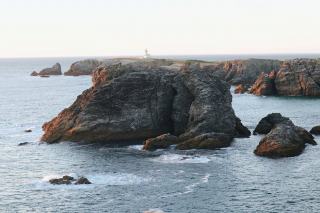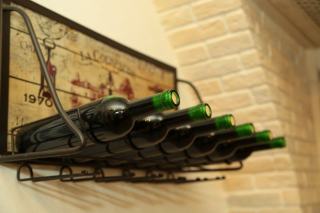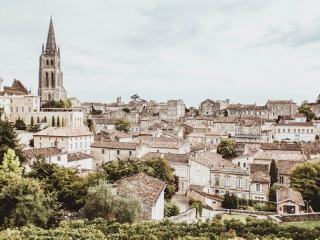
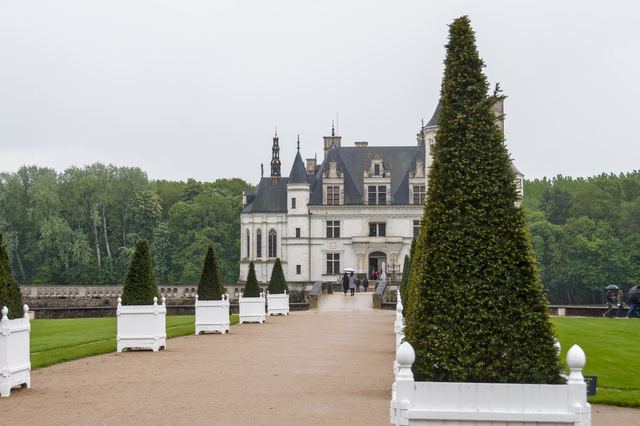
Loire Valley wines are the wines of the longest wine region in France, a vineyard located along the Loire river for close to a thousand kilometres, from the volcanic upper Loire to the Atlantic coast around Nantes. Sixty AOC appellations produce crisp dry white wines from Sauvignon Blanc and Chenin Blanc, light red wines from Cabernet Franc, rosé, sparkling wines and exceptional sweet wines. Sancerre, Vouvray, Muscadet and Chinon are the famous names; the quality of the smaller appellations is what makes the region worth exploring.
Where to start with the Loire
- Four grape varieties carry most of the Loire vineyard: Melon de Bourgogne, Chenin Blanc, Sauvignon Blanc and Cabernet Franc.
- Five wine regions follow the river: Pays Nantais, Anjou-Saumur, Touraine, Centre-Loire and the upper Loire, each with its own AOC appellations.
- Sancerre and Pouilly-Fumé are the famous white wines, Muscadet and Saumur-Champigny the value, Coteaux du Layon the sweet.
- An AOC designation on the label names a place and a style; an IGP Val de Loire names only the wider wine region.
What ties Loire Valley wines together
The Loire river is the common thread, and it is a working one rather than a piece of scenery. Water moderates temperature on the slopes above it, so grapes ripen slowly and keep their acidity. That acidity is the signature of the region: even a ripe Loire wine finishes crisp and lively, and the best bottles of Vouvray or Savennières age for decades on it. It also explains the aromas that Loire wine is known for, citrus and orchard fruit rather than jam, and the elegant, low-alcohol frame that carries them. The vineyard sits at the northern edge of what French vines can do, which is why elegance and freshness, rather than power, define almost every wine made here.
The other thread is geology. The upper Loire, around Sancerre and Pouilly-sur-Loire, sits on Kimmeridgian marl and flint. Touraine and Anjou-Saumur are built on tuffeau, the soft white limestone that was quarried to build the châteaux and that now houses the cellars where sparkling wine ages. The Pays Nantais, closest to the Atlantic ocean, is schist and gneiss. Each rock type gives a different texture to the same grape, which is why a Sauvignon Blanc from Sancerre and one from Touraine taste like relatives rather than twins.
Loire wines also share a scale of production. Most estates are family holdings of a few dozen hectares, and a large share of the region is farmed organically, well above the French average. That structure keeps the wines varied: there is no single house style to learn, only a set of appellations that each do one thing well. Organic certification is now the norm rather than the exception on the best sites, and a grower whose domaine has been in the family for four generations tends to farm for the long term.
The five wine regions along the river
From the mouth of the Loire to its upper course, the region divides into five blocks. They are not administrative conveniences: the grape varieties change from one to the next, and so does the style of wine in the glass.
Pays Nantais, the Atlantic end
Around Nantes, Melon de Bourgogne produces Muscadet, the driest and leanest white wine of the region. The best examples carry the mention Muscadet Sèvre et Maine, from the two small rivers south-east of Nantes, and are bottled sur lie, which means the wine rests on its fine lees through the winter and picks up a faint prickle and a bready weight. Coteaux de la Loire and Côtes de Grandlieu complete the Muscadet family. This is the classic oyster wine, and still one of the most underpriced whites in France.
Anjou-Saumur, tuffeau and Chenin
Anjou is Chenin Blanc country, in every register from bone dry to sweet. Savennières makes a tense, mineral dry white wine that can be austere in youth; Coteaux du Layon and Bonnezeaux, on the other bank, turn the same grape into a botrytised sweet wine of astonishing concentration. Around Saumur, the tuffeau cellars host the traditional method that produces Saumur Brut and a large share of Crémant de Loire. Cabernet Franc gives Saumur-Champigny, and Cabernet d'Anjou gives the off-dry rosé that the region sells in quantity.
Touraine, the garden of France
Touraine holds the appellations that most drinkers meet first. Vouvray and Montlouis-sur-Loire show Chenin Blanc in dry, off-dry, sweet and sparkling versions, sometimes from the same vineyard in different years. Chinon, Bourgueil and Saint-Nicolas-de-Bourgueil are the red wines, all Cabernet Franc. The wider Touraine AOC covers Sauvignon Blanc whites and Gamay reds at everyday prices, and the small Coteaux du Loir and Jasnières appellations, on a tributary rather than the Loire itself, keep the rare Pineau d'Aunis alive.
Centre-Loire, Sauvignon country
Sancerre, Pouilly-Fumé, Menetou-Salon, Quincy, Reuilly and Coteaux du Giennois form the Centre-Loire block, some two hundred kilometres upriver from Tours. Sauvignon Blanc dominates, with Pinot Noir for the red and rosé of Sancerre and Menetou-Salon. Quincy is planted on sand and gravel and gives a lighter, more floral wine than Sancerre; Reuilly adds a Pinot Gris rosé that almost never leaves the region.
The upper Loire
Above Nevers, the vineyard thins out. Saint-Pourçain and Côtes d'Auvergne, on volcanic soils, produce Gamay and Pinot Noir reds and a little Chardonnay. Châteaumeillant, promoted to AOC in 2010, is known for a pale Gamay rosé called vin gris. These are small volumes, rarely exported, and worth seeking out on the spot.
Grape varieties behind Loire Valley wines
Four grape varieties do most of the work, and knowing them explains more than memorising sixty appellations. Our guide to French grape varieties and what each one does in the glass covers them beyond the Loire.
Chenin Blanc
Chenin Blanc is the most versatile white grape in France and the Loire is its home. Picked early it gives a taut dry white wine; picked late, or affected by noble rot, it gives a sweet wine that balances honey against searing acidity. The same grape, fermented in the bottle, produces the bulk of Loire sparkling wine. Its marker is a quince and wet-wool note that survives every style.
Sauvignon Blanc
Sauvignon Blanc in the Loire is a different animal from its New Zealand cousin: less tropical, more flinty, built on citrus and blackcurrant leaf. On the marl of Sancerre it gains weight; on the flint of Pouilly-Fumé it gains the smoky edge that gave the appellation its name. It is the grape that made the region's reputation abroad.
Cabernet Franc
Cabernet Franc is the red grape of the middle Loire, and the parent of Cabernet Sauvignon. It produces red wines of silky texture, red berry fruit and a graphite or pencil-shaving edge, lighter in body than Bordeaux but with real grip. Chinon on gravel is supple and early-drinking; Chinon on tuffeau slopes needs five years and repays them.
Melon de Bourgogne, Gamay and the rest
The Melon de Bourgogne grape, despite its name, left Burgundy centuries ago and now exists almost only around Nantes. Gamay gives light, fruity reds with expressive red fruit flavors across Touraine and the upper Loire, produced on clay and gravel soils that ripen early. Grolleau, Pineau d'Aunis, Pinot Gris, Pinot Noir, Chardonnay and Cabernet Sauvignon fill in the gaps, and Romorantin survives in a single appellation, Cour-Cheverny.
White wines of the Loire, from lean to sweet
The white wines are the region's calling card, and they cover a wider range than any other French wine region. At the lean end, Muscadet is all salt and citrus, low in alcohol, with a chalky finish. In the middle sit the Sauvignon Blanc appellations of the Centre-Loire, where Sancerre delivers grapefruit, flint and a saline length that has made it a restaurant staple for fifty years. Pouilly-Fumé, on the opposite bank, is denser and smokier; Menetou-Salon offers a close approximation at a gentler price, and Quincy a lighter, more floral reading of the same grape.
Chenin Blanc occupies the rich end. Dry Vouvray and Savennières are among the longest-lived white wines in France, austere at three years and glorious at fifteen. Demi-sec Vouvray sits between the two registers and pairs with dishes that defeat most wines, from Thai curry to pork rillettes. At the sweet extreme, Coteaux du Layon, Quarts de Chaume and Bonnezeaux rely on botrytis to concentrate the juice, and the resulting wine keeps enough acidity to avoid heaviness. Our wider look at white wines and how grape and terroir shape them puts these styles in context.
A practical note on labels: a Loire white wine labelled sec is dry, demi-sec is off-dry, moelleux is sweet and liquoreux is very sweet. Vouvray and Montlouis print these terms; Savennières rarely needs to.
Red wines: Chinon, Bourgueil and Saumur-Champigny
Loire red wines are light in colour and moderate in alcohol, which for a long time kept them out of fashion and now makes them exactly what many drinkers want. Chinon is the largest of the three Cabernet Franc appellations and the most varied: sandy plots give a juicy, chillable red wine, limestone slopes give a structured one. Bourgueil is firmer and more tannic, Saint-Nicolas-de-Bourgueil a touch finer. Saumur-Champigny, across the river in Anjou-Saumur, is the most perfumed of the family, all violet and raspberry.
Gamay reds from Touraine are lighter still, made for the year after the harvest. Pinot Noir from Sancerre and Menetou-Salon produces a pale, red-fruited wine that sits closer to a village Burgundy than to anything else in the Loire. Pineau d'Aunis, the region's oddity, gives a peppery light red that has become a favourite of natural wine bars.
Serving temperature matters more here than with heavier wines: a Loire red wine shows best around fifteen degrees, and a Gamay or a sandy Chinon takes a short spell in the fridge without complaint. Our page on red wines by style, grape variety and region sets out how these compare with the south.
Rosé, sparkling and sweet wines
Rosé is a serious business in Anjou. Cabernet d'Anjou is off-dry, built on Cabernet Franc and Cabernet Sauvignon, and ages far better than its reputation suggests. Rosé d'Anjou, from Grolleau, is lighter and sweeter; Rosé de Loire is the dry option across the region. Sancerre rosé, from Pinot Noir, is pale, dry and taut.
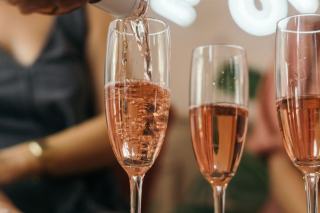
Sparkling wine is the region's quiet strength. Crémant de Loire is made by the traditional method with a minimum of twelve months on lees, mostly from Chenin Blanc and Chardonnay, and delivers fine bubbles and orchard fruit for considerably less than champagne. Saumur Brut and Vouvray Mousseux follow the same method with their own appellation rules. Anyone comparing the two categories will find the contrast set out on our guide to champagne and French sparkling excellence.
The sweet wines close the circle. Botrytised Chenin Blanc from Coteaux du Layon, Quarts de Chaume Grand Cru and Bonnezeaux ranks with the best in the world, and the drier Coteaux de l'Aubance offers a gentler introduction. These wines suit blue cheese and foie gras, and also stand alone at the end of a meal.
Reading a Loire Valley label: AOC, IGP and vin de pays
Three tiers appear on Loire bottles. An AOC, or appellation d'origine contrôlée, names a delimited place with rules on grape varieties, yields and, often, style. An IGP Val de Loire covers the whole basin with looser rules, which lets growers bottle a single variety such as Chardonnay or Cabernet Sauvignon that no local AOC allows. The old vin de pays wording has been replaced by IGP since 2009, though the phrase survives in conversation. Below that, table wine carries no geographic claim at all.
| Appellation | Wine region | Grape variety | Style |
|---|---|---|---|
| Muscadet Sèvre et Maine | Pays Nantais | Melon de Bourgogne | Dry white, sur lie |
| Savennières | Anjou | Chenin Blanc | Dry white, long-lived |
| Coteaux du Layon | Anjou | Chenin Blanc | Sweet, botrytised |
| Saumur-Champigny | Saumur | Cabernet Franc | Perfumed red |
| Vouvray | Touraine | Chenin Blanc | Dry to sweet, sparkling |
| Chinon | Touraine | Cabernet Franc | Red, light to structured |
| Sancerre | Centre-Loire | Sauvignon Blanc, Pinot Noir | Dry white, red, rosé |
| Quincy | Centre-Loire | Sauvignon Blanc | Dry white, floral |
Two further mentions are worth knowing. Vieilles vignes has no legal definition in the Loire, so it indicates intent rather than a guarantee. Grand Cru exists in only one Loire appellation, Quarts de Chaume, and it applies to the whole appellation rather than to a single vineyard as it would in Burgundy or Alsace.
A short history of Loire wine production
Vines reached the valley with the Romans, but the wine region as we know it took shape in the fifth century, when Saint Martin of Tours and the monastic estates that followed him planted the slopes systematically. The abbeys of Anjou and Touraine held the best sites for the next thousand years, and Chenin Blanc is first recorded in the region in the ninth century.
The Loire river itself built the trade. Until the railways arrived, barges carried barrels downstream to Nantes and out to the Netherlands and England, which is why Dutch merchants shaped the sweet wines of Anjou and English drinkers knew Loire wine long before they knew Bordeaux. The court of the Valois kings, installed in the châteaux of the valley through the sixteenth century, gave the region a prestige that survived the move of power back to Paris.
Phylloxera destroyed the vineyard in the 1880s, as it did everywhere in France, and replanting favoured the varieties that suited each soil rather than the older mixed plantings. The AOC system, created in the 1930s, fixed those choices into law. Since the 1990s the region has moved fast towards organic and biodynamic farming, and it now hosts one of the densest concentrations of natural wine producers in the country. The 2019 inscription of the valley on the UNESCO World Heritage list, for its landscape rather than its wine, brought a fresh wave of visitors to the vineyard.
Tasting Loire wines and putting them on the table
A tasting of Loire wine works best in the order the river runs. Start with Muscadet, move to a Touraine Sauvignon Blanc, then to Sancerre, then to a dry Vouvray, then to Chinon, and finish with a glass of Coteaux du Layon. That sequence shows the full range in six wines and makes the through-line of acidity obvious.
Tasting notes across the region share a grammar. Loire whites lead with citrus, orchard fruit and a stony or smoky note, and finish dry and saline. Loire reds lead with red berry fruit, add violet or graphite, and finish with fine, slightly dusty tannins. Sweet wines bring quince, apricot and honey without the syrupy weight of warmer regions.
At the table, the pairings are unusually easy. Muscadet and oysters is the textbook match, and holds for any raw shellfish. Sancerre and fresh goat cheese comes from a shared terroir: Crottin de Chavignol is made in the appellation. Chinon suits pork, charcuterie and roast poultry; Saumur-Champigny handles a roast chicken or a plate of grilled vegetables. Demi-sec Chenin Blanc is the wine to reach for with spice, and a botrytised Layon works with blue cheese as well as with dessert. The principles behind these matches are set out in our guide to foods and wines that work together, and why.
Visiting the vineyards
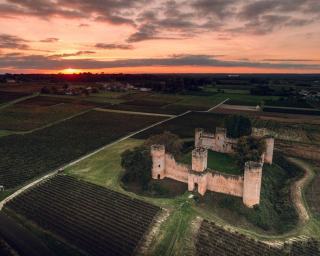
Wine tourism in the Loire is built around the châteaux, which means the infrastructure is already there. The Route des Vins runs some eight hundred kilometres, and the parallel Loire à Vélo cycle route makes the vineyard accessible without a car, a rare thing among French wine regions. Saumur and Vouvray are the easiest bases: both have tuffeau cellars dug into the cliffs that stay at a constant cellar temperature year round and open directly to visitors.
Tasting rooms in the Loire are generally free and informal, though larger estates now ask for a booking. Harvest runs from early September in the Pays Nantais to late October or November for the sweet wines of Anjou, when pickers go through the vineyard several times to select botrytised bunches. Spring frost is the region's main risk, and a walk through the vineyard in April may well show candles and wind machines between the rows.
Three stops give a fair picture of the whole region: a Muscadet estate near Nantes for the Atlantic style, a Saumur cave for sparkling wine and Cabernet Franc, and a Sancerre grower for Sauvignon Blanc. Wine tour operators along the valley build itineraries around exactly that spine.
Wineries here are working farms, and the tasting usually happens beside the vats. Ask which vine plots the wine in the glass came from: in most Loire villages the answer changes the wine more than the vintage does. Visitors who want to explore a diverse range of styles in one day will find the Saumur and Chinon area the densest, with dozens of wineries within a short drive of each other and enough variety to discover an aromatic Chenin Blanc, a supple red and a traditional-method sparkling wine on the same afternoon.
Questions readers ask about Loire Valley wines
Which Loire Valley wine should a beginner buy first?
A Sancerre or a Touraine Sauvignon Blanc from a recent vintage is the simplest entry point: dry, aromatic and recognisable. If the budget is tighter, a Muscadet Sèvre et Maine sur lie shows the region's freshness just as clearly.
Are Loire red wines meant to be aged?
Most are not. Gamay and sandy-soil Chinon are best within three years. Limestone-grown Chinon, Bourgueil and Saumur-Champigny from a warm vintage reward five to ten years, and the finest bottles go further.
What is the difference between Sancerre and Pouilly-Fumé?
Both are Sauvignon Blanc from facing banks of the upper Loire. Sancerre, on marl and limestone, is broader and more citrus-driven; Pouilly-Fumé, on flint, is narrower and smokier. Sancerre also produces red and rosé from Pinot Noir, which Pouilly-Fumé does not.
Is Crémant de Loire made the same way as champagne?
Yes in method, no in grape and place. Crémant de Loire uses the traditional method with a second fermentation in bottle and at least twelve months on lees, but it is built mainly on Chenin Blanc and Chardonnay grown in the Loire rather than on the Champagne trio.
How long does the Loire wine region stretch?
The vineyard follows the river for roughly a thousand kilometres, from the Auvergne to the Atlantic coast, which makes it the longest wine region in France and one of the most geographically varied in Europe.