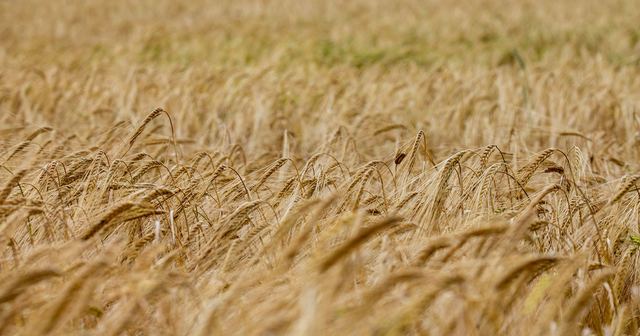
Organic wines are wines produced from grapes grown without synthetic pesticides, herbicides or chemical fertilizers, under a certification that also governs the winemaking process in the cellar. Since the 2012 European rules, the organic label covers the whole production chain and not only the vineyard, which is why a bottle is now called organic wine rather than wine made from organically grown grapes. In France, where the front label reads vin biologique, organic agriculture passed 22 percent of the total vineyard area in 2023 according to the Agence Bio, the fastest shift of any major wine country. Sulfites remain permitted in organic wine, at lower levels than in conventional winemaking, and the same text applies to red, white and sparkling bottles.
Three years of conversion before the organic label
- Organic certification covers the vines, the soil and the cellar, with a conversion time of three years before a vineyard can use the label.
- Organic, biodynamic and natural are three different sets of criteria, and only the first two rest on an audited certification.
- Sulfites are allowed in organic wine, at lower ceilings than in conventional wine production, and the American rules differ from the European ones.
- Taste is a matter of the producer and the terroir, not of the label alone.
What an organic wine actually is
An organic wine is the product of certified organic viticulture followed by a winemaking process that respects a restricted list of inputs. In the vineyard, the vines receive no synthetic treatment: weeds are managed mechanically or by cover crops, copper and sulfur replace systemic fungicides, and soil life is maintained with compost rather than chemical fertilizers. In the cellar, the rules cap the total sulfur dioxide allowed and forbid a range of technological corrections that remain legal in conventional wine production.
The distinction matters because the word organic used to stop at the vineyard gate. Before 2012, a European producer could only write wine made from organically grown grapes on the label, since no common text governed the cellar. The current regulation closed that gap, and the green leaf of the European Union now certifies the full chain from the vines to the bottle.
How organic certification works in France and Europe
Certification is not a declaration, it is an audit. A French estate applies to an approved body such as Ecocert or Certipaq, which inspects the vineyard, the winery and the paperwork at least once a year and takes samples for analysis. The estate carries an identification code on the label, and any buyer can check it against the public register of the Agence Bio.
The conversion takes time. Three full growing seasons must pass between the last prohibited treatment and the first harvest that may be sold as organic wine, which is why an estate that converts in 2026 sees its first certified vintage in 2029. That delay is the reason many growers farm organically for years before claiming anything on the label. Organic farming is one of the wine trends now visible in what estates plant and what consumers choose to pour.
The criteria an estate has to meet
The specifications cover four areas: what may be applied to the soil and the vines, the traceability of every batch of grapes, the list of permitted oenological practices, and the maximum sulfite content. On that last point, an organic red wine is capped at 100 milligrams per litre against 150 for a conventional red, and a sweet blanc sits lower than its conventional equivalent. The AB logo used in France and the European leaf answer to the same text, so the two marks on a French bottle are not two separate guarantees.
Outside Europe the criteria diverge. Under the National Organic Program run by the USDA, a wine labelled organic in the United States may carry no added sulfites at all, while the mention made with organic grapes permits them up to 100 milligrams. A European bottle exported there is therefore often reclassified, which explains a good part of the confusion a consumer meets when comparing an American and a French statement on the same preservative.
Organic, biodynamic and natural wines are not the same terms
Three words circulate on the same shelf and they describe three different commitments. Reading a label with those distinctions in mind tells you more than any shelf talker, and our guide to reading a French wine label line by line covers the rest of the mentions you will find there.
Biodynamic viticulture
Biodynamic wine starts from the organic specifications and adds the agricultural philosophy of Rudolf Steiner: the vineyard is treated as a single organism, worked with preparations made from plants, minerals and compost, and the calendar of the moon guides part of the work. The Demeter and Biodyvin certifications audit it. Domaine Leroy in Burgundy, Zind Humbrecht in Alsace and Chapoutier in the Rhône Valley made the approach respectable long before it became fashionable, and their wines are often cited for a directness of terroir that is hard to obtain otherwise.
Natural wine, or vin nature
Natural wine has no European legal definition. The French Vin Méthode Nature charter, recognised by the fraud repression authority since 2020, sets the closest thing to a rule: certified organic grapes, hand harvesting, native yeasts, fermentation without added enzymes, and either no added sulfites at all or less than 30 milligrams per litre. Every natural wine is therefore built on an organic base, while the reverse is not true. The style can be luminous and alive; it can also show cloudiness or volatile acidity, which is why the producer matters more here than anywhere else.
The range of organic wines you can drink today
Every colour and every French region is represented. Organic red wine dominates in volume, led by the Rhône Valley and Languedoc where a dry climate makes organic farming less risky than in the damp north. Organic white wine has grown quickly in the Loire and Alsace, two regions where the grape varieties reward precise picking dates. Rosé wines from Provence converted fast under commercial pressure, and more than a third of the appellation surface there is now organic or in conversion. Champagne, long the slowest region for sparkling production, has passed 6 percent of its vineyard area.
The movement reaches the top of the hierarchy as well. Several grand cru holdings in Burgundy, a growing number of château estates in Bordeaux and historic domaine names in the Rhône now farm under certification, so organic cultivation is no longer a signal of the margins. Many of these wines are also vegan, since the producers replace egg or fish based fining with settling and time.
The grape varieties themselves matter. Thick skinned grapes such as Syrah, Mourvèdre or Cabernet Sauvignon tolerate organic viticulture well, while thin skinned varieties such as Pinot Noir demand far more work in a wet season. If you are exploring by colour rather than by region, our selections of red wines sorted by style and grape and of white wines from grape to glass are the fastest way in.
Does organic wine taste different?
Not in itself. Blind tasting studies, including work published by the Journal of Wine Economics in 2016 on more than 74 000 California wines, found organic and biodynamic bottles scored slightly higher on average than conventional ones, but the gap is small next to the difference between two producers in the same village. What the certification changes is the farming, and healthier soil tends to give grapes with more even ripeness. Tasters who work on the aromas of the same cuvée before and after conversion often report a clearer fruit and a slightly lower alcohol, the effect of picking decisions and a slower fermentation rather than of the label.
Where an audible difference does appear is at the low sulfite end. Wines bottled with almost no sulfur dioxide, the only preservative the process really depends on, are more expressive when young and more fragile in transport and storage, which is why serving temperature and cellar conditions matter more for them; our tasting guide explains what to look for in the glass before blaming the bottle.
Health, sulphites and what the evidence supports
Organic wine is still wine, and no certification changes the health effects of alcohol. Two claims are defensible. Residue analyses, notably those run by the French consumer association UFC Que Choisir, find pesticide residues far less often in certified bottles than in conventional ones. And the lower sulfite ceiling is measurable, which is of interest to the small share of people, mostly asthmatics, who react to sulfur dioxide. Claims about hangovers have no clinical support, and headaches are more reliably explained by ethanol than by the label on the bottle.
How to choose an organic wine that is worth opening
Start with the estate rather than the logo. A certification tells you how the grapes were farmed, not whether the wine is good, and the two questions are independent. Four criteria narrow the field quickly:
- The producer and the vintage, before anything else. An estate with a consistent record is a better bet than an unfamiliar name carrying the right marks.
- The certifying body and its code on the back label, which distinguishes a certified organic wine from a vague sustainable claim with nothing behind it.
- The sulfite line. No added sulfites means a bottle to drink young and to keep cool; the standard organic threshold behaves like any other wine.
- The appellation and the terroir, which still decide the style far more than the farming method does.
One habit is worth taking: in a dry region, organic farming is close to the norm and says little; in Burgundy, Champagne or the Loire, it signals a deliberate and costly choice by the winery.
Buying organic wines online
Buying organic wine online is now the simplest route to estates that never reach a supermarket shelf, provided the merchant states the certification, the body that issued it and the vintage on each listing. Ask two practical questions before ordering: whether the wines are stored at a controlled temperature, and whether summer shipping is protected, since low sulphite bottles suffer first from heat. Our guide to choosing a French wine merchant sets out what a serious seller should tell you, and the organic and biodynamic selection here is chosen bottle by bottle rather than assembled from a label search.
Common questions about organic wines
- Does organic wine contain sulfites?
- Yes. Organic certification limits them rather than banning them: 100 milligrams per litre for a red against 150 for a conventional red. Only wines made under a natural charter go below 30 or use none at all.
- Is biodynamic wine also organic?
- Always. Demeter and Biodyvin require the organic specifications as a base and add their own practices on top, so a biodynamic bottle is certified organic by construction.
- How long does it take to convert a vineyard?
- Three full growing seasons between the last prohibited treatment and the first harvest that may be labelled organic. Wines from that interval are sold as in conversion.
- Does organic wine keep as long?
- A standard organic wine ages like its conventional counterpart. Bottles with very low added sulfites are the exception and are better drunk within a few years.